
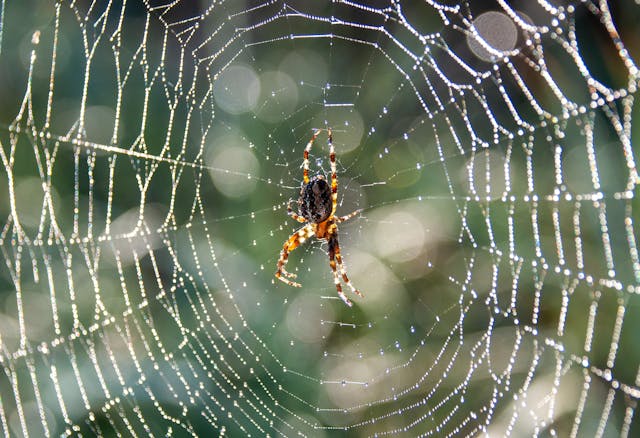
If you’ve removed a redback spider only to find another in the same spot weeks later, it can feel like your property is being repeatedly targeted. In reality, this behaviour is not random. Redback spiders return because your property continues to provide the exact conditions they prefer for survival.
Understanding why these spiders settle in the same locations is the first step toward long-term prevention. In most cases, it comes down to shelter, food availability, and environmental stability. This is where professional spider pest control becomes important, not just to remove spiders, but to eliminate the factors that attract them.
Why Redback Spiders Choose the Same Locations
Redback spiders are highly selective about where they build their webs. They prefer dry, sheltered environments that remain undisturbed over time. Once a suitable location is found, it often becomes a long-term nesting site. Female redbacks, in particular, can remain in the same web for most of their adult life.
These spiders are commonly found in areas such as under outdoor furniture, inside sheds and garages, around fence lines, beneath eaves, and within cluttered storage spaces. These locations provide consistent protection from weather, predators, and regular human activity. If these conditions remain unchanged, new spiders will continue to occupy the same space even after previous ones are removed.
The Importance of Shelter and Environmental Stability
One of the main reasons behind recurring redback spider infestation is environmental stability. These spiders favour areas that are dry, shaded, and rarely disturbed. Spaces that are not cleaned or moved frequently become ideal long-term habitats.
Outdoor structures such as woodpiles, storage boxes, garden sheds, and unused equipment offer the kind of protection redbacks need. Even small and overlooked spaces, like behind plant pots or under bin lids, can support ongoing spider activity. Because these areas remain consistent over time, they become reliable nesting zones where spiders continue to return.
How Food Sources Attract Spiders
Redback spiders do not choose a location based on shelter alone. Food availability plays a major role in determining where they settle. These spiders feed on insects, so any area with high insect activity will naturally attract them.
Outdoor lighting is one of the biggest contributors. Lights attract flying insects at night, which then become an easy food source for spiders. Similarly, gardens with dense vegetation, compost bins, standing water, and organic waste can increase insect populations around your property.
This is where general pest control and insect management become important. Reducing insect activity directly limits the food supply available to spiders. Without a consistent food source, redbacks are far less likely to remain in the same area.
Why Web Locations Are Reused
Although spiders do not “remember” locations in a human sense, their behaviour creates repeated patterns. Redbacks build webs in places where they successfully catch prey. These webs are usually attached to stable structures such as corners, beams, and edges.
If a web is removed but the structure remains unchanged, it still provides the perfect anchor point for a new web. In addition, egg sacs may remain hidden nearby. When these hatch, spiderlings disperse into surrounding areas and often settle in similar sheltered locations.
This is why a single untreated area can lead to multiple waves of spider activity over time. Effective treatment must address both visible spiders and hidden egg sacs to prevent recurrence.
Seasonal Activity and Recurring Infestations
Redback spider activity tends to increase during warmer months, particularly in spring and summer. Higher temperatures lead to increased insect activity, which creates more feeding opportunities for spiders.
During these seasons, you may notice more web formation, higher spider visibility, and faster reproduction cycles. In cooler months, redbacks become less active but do not disappear entirely. They remain hidden in sheltered areas, ready to become active again when conditions improve.
This seasonal pattern often gives the impression that spider problems return every year. In reality, the same environmental conditions continue to support spider populations over time.
Why DIY Removal Does Not Work Long-Term
Many homeowners attempt to manage spider problems by removing webs or spraying visible spiders. While this may reduce activity temporarily, it rarely addresses the underlying issue.
DIY methods often fail because they do not target hidden egg sacs, sheltered nesting areas, or insect attractants. Even if visible spiders are removed, new spiders will continue to occupy the same areas if conditions remain suitable.
In addition, redbacks can quickly recolonise treated areas, especially when shelter and food sources are still available. This leads to repeated infestations despite ongoing efforts.
How Professional Treatment Solves the Problem
A professional approach focuses on eliminating both the spiders and the conditions that support them. This involves inspecting the property to identify recurring hotspots, treating sheltered areas where spiders are likely to nest, and removing webs along with hidden egg sacs.
Residual treatments are applied to create a protective barrier that discourages spiders from returning. At the same time, professionals provide guidance on reducing insect activity and improving environmental conditions.
By addressing the root causes, professional treatment provides a longer-lasting solution compared to surface-level removal methods.
Practical Steps to Prevent Redback Spiders
While professional services are often necessary, homeowners can take practical steps to reduce spider activity. Keeping outdoor areas clean and free of clutter removes hiding spots that spiders rely on. Regularly cleaning under furniture, around bins, and inside sheds can significantly reduce nesting opportunities.
Reducing insect activity is equally important. Adjusting outdoor lighting, managing garden waste, and removing standing water can help limit the food supply available to spiders. Sealing gaps around structures and avoiding long-term storage in unused corners can further reduce risk.
Conclusion
Redback spiders return to the same locations because those areas consistently provide shelter, food, and stable conditions. As long as these factors remain unchanged, removing spiders alone will not solve the problem.
The key to breaking this cycle is identifying and addressing the underlying causes. A combination of environmental changes, insect control, and professional treatment can prevent spiders from returning. With the right approach, recurring spider problems can be effectively managed, and long-term protection can be achieved.
FAQs
1. Why do redback spiders keep coming back to the same spot?
They return because the area provides stable shelter, food sources, and undisturbed conditions that support long-term nesting.
2. Do redback spiders stay in one place permanently?
Female redbacks often remain in the same web for most of their life if conditions remain suitable.
3. Does removing the web stop them from returning?
No. If the environment remains unchanged, new spiders will rebuild webs in the same location.
4. What attracts redback spiders to homes?
Sheltered spaces, insect activity, outdoor lighting, and cluttered areas all contribute to spider presence.
5. Is professional treatment necessary for recurring infestations?
Yes. Professional treatment addresses both the spiders and the environmental factors that cause them to return.
