
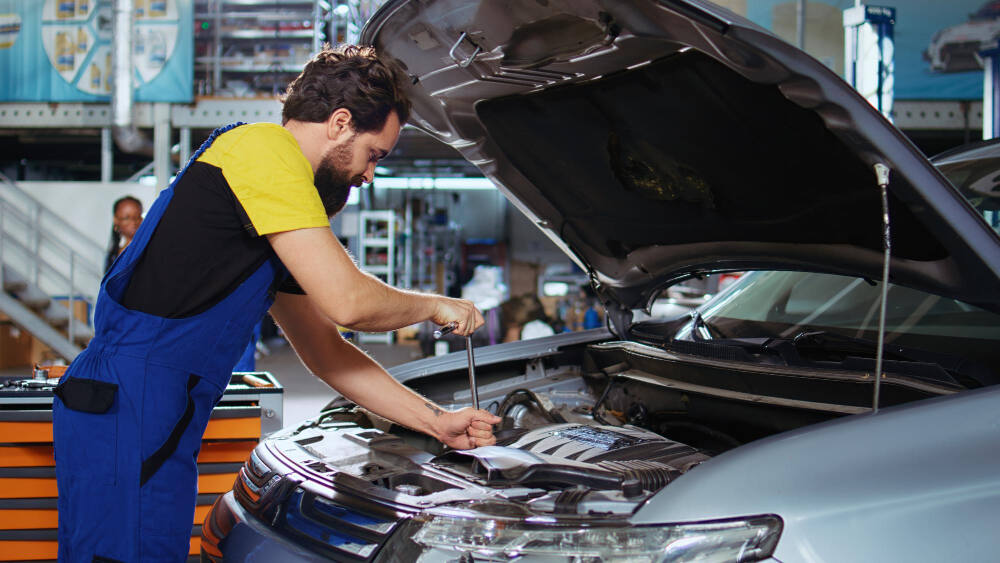
European cars are built for smooth performance, strong handling, and long-distance comfort, but they also need careful attention before any extended drive. Whether you own a BMW, Mercedes-Benz, Audi, Volkswagen, Volvo, Mini, Peugeot, Skoda, or Land Rover, small issues can become more serious once the vehicle is driven for longer periods.
A short local trip may not show every problem. However, longer drives place extra pressure on the engine, brakes, tyres, cooling system, transmission, and electrical components. This is why drivers should pay attention to early warning signs before travelling. A properly completed Logbook Service helps keep the vehicle maintained according to manufacturer requirements, but some issues may need attention before the next scheduled service date.
Dashboard Warning Lights and Engine Changes
Dashboard warning lights are one of the clearest signs that your European car needs attention before a drive. These vehicles rely on advanced sensors and electronic systems to monitor engine performance, braking, oil pressure, coolant temperature, battery charge, emissions, stability control, and tyre pressure. A warning light may look minor, but it can point to a fault that needs proper diagnosis.
For example, an engine warning light may be linked to a sensor issue, ignition fault, fuel system problem, or emission system concern. A coolant warning light may suggest low coolant, a failing thermostat, or a leak somewhere in the system. A brake warning light can point to worn brake pads, low brake fluid, or an electronic parking brake issue.
Engine behaviour should also be taken seriously. If the car feels rough at idle, hesitates during acceleration, makes ticking or rattling sounds, or feels less responsive than usual, it should be inspected before a longer drive. European engines often use turbochargers, timing chains, direct injection, and complex cooling systems, so small faults can become expensive if ignored.
Brake, Steering and Suspension Problems
Brakes should always be checked before a long drive, especially in a European car. These vehicles often use advanced braking systems with brake wear sensors, electronic parking brakes, specific pad materials, and larger discs. If you hear squealing, grinding, scraping, or feel vibration when braking, the vehicle should not be ignored.
A soft brake pedal, longer stopping distance, or pulling to one side can also suggest a problem. These signs may point to worn pads, damaged discs, old brake fluid, a sticking calliper, or uneven brake wear. During a Logbook Service, the brake system should be checked properly, including pads, discs, fluid condition, hoses, callipers, and warning sensors.
Steering and suspension changes are also important. European cars are known for stable handling, so clunking sounds, vibration at speed, uneven tyre wear, loose steering, or pulling to one side can indicate worn bushes, control arms, ball joints, shocks, struts, or alignment problems. These issues may feel manageable during short trips, but they can affect stability and safety during highway driving.
Fluid Leaks, Overheating and Strange Smells
Fluid leaks should never be ignored before a drive. Oil, coolant, brake fluid, transmission fluid, and power steering fluid all play important roles in keeping the vehicle safe and reliable. A small stain under the car may not seem serious at first, but it can quickly become a major issue once the vehicle is driven for a longer period.
Coolant leaks are especially risky because they can lead to overheating. Many European vehicles use plastic cooling system parts, electric water pumps, expansion tanks, thermostat housings, and multiple hoses. These parts can wear with age and heat cycles. If the temperature gauge rises, the coolant warning light appears, or you notice a sweet smell after driving, the cooling system needs inspection.
Burning smells also need attention. A burning oil smell may suggest oil leaking onto hot engine parts. A burning rubber smell may point to belt or hose issues. A strong fuel smell should be checked immediately because it may indicate a leak or fuel system fault. A proper Logbook Service can help identify these issues early through fluid checks, leak inspections, and system testing.
Poor Acceleration, Rough Gear Changes and Tyre Concerns
A European car should feel smooth and responsive when accelerating. If it feels sluggish, jerky, or slow to respond, there may be an issue with spark plugs, fuel delivery, air intake, turbo boost, sensors, or the transmission. These symptoms often become more noticeable during long drives because the engine and gearbox are placed under steady load.
Rough gear changes should also be checked before travelling. Many European vehicles use automatic, dual-clutch, or performance-focused transmissions that require the correct fluid and servicing approach. Delaying inspection may increase wear and lead to more expensive transmission repairs later.
Tyres are another key part of pre-drive safety. Uneven tread wear, low pressure, sidewall cracks, bulges, or vibration at higher speeds should be checked before the trip. Tyre issues can affect braking, steering, comfort, fuel use, and overall control. If the tyres are wearing unevenly, the real cause may be alignment, suspension, or steering wear.
FAQs
Should I service my European car before a long drive?
Yes, if the car is close to its service interval, has warning lights, makes unusual noises, or has not been checked recently. A pre-drive inspection can reduce the risk of breakdowns.
Can I drive with a dashboard warning light?
It depends on the warning light, but it is safer to have it checked before a longer drive. Some faults can become serious once the car is under more load.
Why do European cars need specific servicing?
European cars often need approved oils, correct fluids, suitable parts, diagnostic tools, and manufacturer-based procedures. A basic service may miss important checks.
What should be checked before a long drive?
Brakes, tyres, fluids, battery, lights, steering, suspension, cooling system, engine condition, and fault codes should all be checked before travelling.
Is a Logbook Service enough before a trip?
A Logbook Service is helpful if the car is due for scheduled maintenance, but any new warning signs should be inspected even if the next service is not due yet.
Conclusion
Before taking a European car on a longer drive, drivers should pay attention to warning lights, brake changes, fluid leaks, overheating signs, unusual smells, rough acceleration, gear changes, steering concerns, and tyre wear. These issues may start small, but they can become more serious during extended driving.
Getting the car checked before travelling helps protect safety, performance, and long-term reliability. It also gives drivers more confidence that their European vehicle is ready for the road.
To get more information please visit here.
